

What Happens Behind the Scenes at a Funeral Home
When families attend a funeral, they usually see the finished arrangements: a welcoming gathering space, meaningful music, personal tributes, and a ceremony that brings loved ones together. What they may not see is the careful coordination that makes those moments possible. Families researching funeral homes Destrehan, LA may wonder what happens after they first contact a funeral director and how arrangements come together behind the scenes. Understanding this process can make funeral planning feel less unfamiliar and help families appreciate the many thoughtful decisions involved.
Much of a funeral director’s work takes place before guests arrive, often through conversations, scheduling, documentation, and attention to personal details. At L.A. Muhleisen & Son Funeral Home, we believe families deserve to understand how their wishes guide the planning process. Every arrangement involves different circumstances, and our role is to help families consider their options with compassion and respect. By explaining what happens behind the scenes, we hope to provide reassurance and help families feel more prepared when important decisions arise.
What Happens After a Family Contacts a Funeral Home?
After a family contacts a funeral home, the first steps generally involve understanding the circumstances, identifying immediate needs, and explaining what arrangements may be required. A funeral director helps the family understand the process and which decisions need attention first.
Some families contact us following a recent loss, while others have already discussed arrangements with their loved one. The information and guidance needed will differ depending on the situation.
Gathering Important Information
During the initial conversation, a funeral director may ask about:
- The circumstances and location of the death.
- The name and identifying information of the deceased.
- Whether advance arrangements or written wishes exist.
- The family’s initial preferences for burial or cremation.
- Religious, cultural, or personal traditions to consider.
- The appropriate person authorized to make arrangements.
These questions help establish the next steps. Families do not necessarily need every answer immediately, and additional details can often be discussed during the arrangement meeting.
We encourage families to ask questions whenever something is unfamiliar. Understanding the process is an important part of making informed decisions.
Coordinating the Details Before a Funeral Service
Funeral planning involves coordinating several responsibilities that guests may never notice. Scheduling, communicating with participants, preparing service materials, and confirming arrangements all contribute to an organized ceremony.
A funeral director works with the family to understand its preferences and determine which arrangements are appropriate and available.
How Funeral Arrangements Come Together
| Planning area | Behind-the-scenes responsibility |
|---|---|
| Scheduling | Coordinating service dates, times, and participants |
| Documentation | Gathering information and completing applicable paperwork |
| Ceremony planning | Reviewing music, readings, traditions, and the service order |
| Family communication | Confirming decisions and explaining next steps |
| Gathering space | Preparing the setting according to the arrangements |
Some responsibilities depend on outside organizations, including cemeteries, clergy, government offices, and other service providers.
Because these arrangements involve multiple parties, confirming information early can help prevent misunderstandings.
Families who wish to make decisions before an immediate need arises can also review our advance funeral planning options. Documenting preferences ahead of time may help relatives understand important wishes when the time comes.
How Do Funeral Directors Help Families Make Decisions?
Funeral directors help families understand available arrangements, clarify practical requirements, and organize decisions according to their priorities. Their role is not simply to coordinate a ceremony but also to provide guidance during a potentially overwhelming time.
A family may know that it wants a meaningful farewell without knowing what type of service would feel most appropriate.
We can discuss the differences between common arrangements and explain how personal preferences may influence the ceremony.
Listening Before Planning
Thoughtful funeral arrangements begin with understanding the person being remembered.
We encourage families to share details about their loved one’s personality, relationships, interests, and beliefs. These conversations can help identify meaningful elements that might otherwise be overlooked.
For example, a family might mention a favorite song, a cherished tradition, or a particular reading that held special significance.
Such details can shape the atmosphere of the service and help relatives recognize familiar aspects of the person’s life.
The goal is not to create an elaborate ceremony. It is to make thoughtful choices that feel appropriate for the individual and those remembering them.
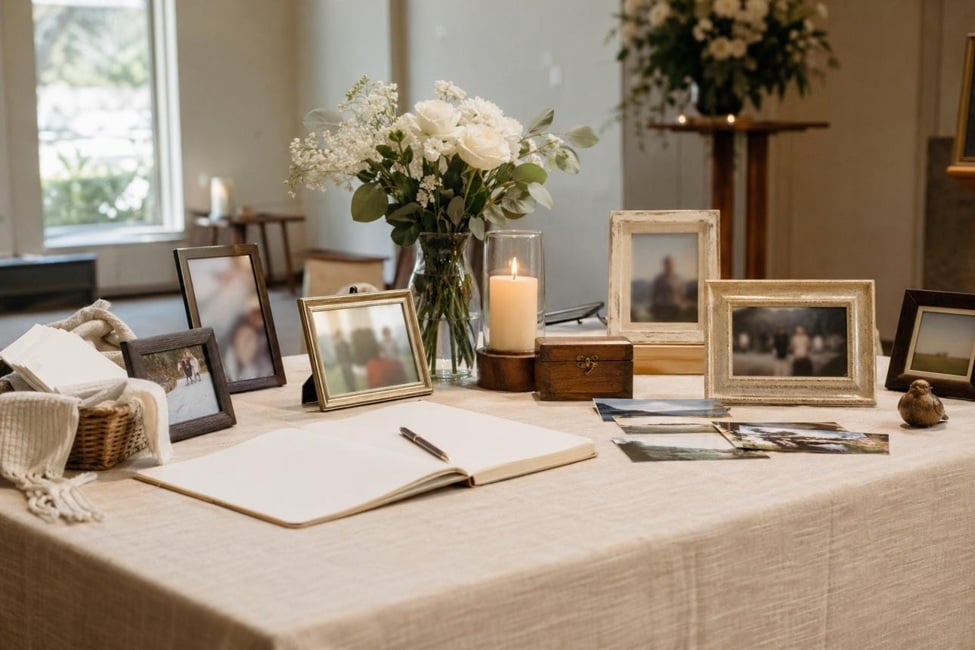
Preparing a Meaningful and Welcoming Gathering Space
Before guests arrive, attention turns to the setting where family members and friends will gather.
The preparation depends on the type of ceremony, expected attendance, and specific arrangements requested by the family.
A welcoming environment can help attendees focus on remembrance rather than practical distractions.
Details That Contribute to a Respectful Setting
Preparation may involve:
- Arranging seating to accommodate expected guests.
- Coordinating the placement of family photographs or memorial displays.
- Confirming music selections and the order of the ceremony.
- Reviewing accessibility considerations.
- Preparing appropriate areas for family members and participants.
- Checking that requested service details are ready.
These responsibilities may seem small individually, but together they contribute to the overall experience.
We understand that families may be especially sensitive to their surroundings during a funeral. Clear organization and careful attention to agreed arrangements can help create a setting where people feel comfortable gathering.
What Paperwork Is Handled Behind the Scenes?
Funeral arrangements commonly involve documents related to identification, authorization, and legal requirements. The exact paperwork depends on the circumstances, the selected disposition, and applicable state requirements.
Families may be unfamiliar with these documents, especially when making arrangements for the first time.
Understanding Administrative Responsibilities
A funeral director may assist with coordinating information needed for:
- Death registration: Gathering required information for the appropriate official records.
- Authorization: Identifying the person legally permitted to approve arrangements.
- Burial or cremation documentation: Reviewing applicable permissions and requirements.
- Service coordination: Recording confirmed arrangements and relevant instructions.
- Additional certificates: Explaining how families may obtain certified death certificates through the appropriate process.
Some documents require action by medical professionals, government agencies, or other authorized parties.
We believe it is important to explain which steps the funeral home can assist with and which depend on outside organizations.
Families should also understand that certain arrangements cannot proceed until necessary authorizations or documentation have been completed.
The Importance of Communication and Coordination
Communication is one of the most important parts of funeral planning, even though much of it happens outside the family’s view.
Funeral directors may need to coordinate with relatives, ceremony participants, clergy, cemetery personnel, and other individuals involved in the arrangements.
When multiple people have responsibilities, clear communication helps keep everyone informed.
Keeping the Planning Process Organized
A practical approach includes confirming the service schedule, reviewing responsibilities, and identifying any unresolved questions.
Families can also help by choosing a primary contact person when appropriate. This individual can share updates with relatives and gather questions for the funeral director.
Clear communication becomes particularly valuable when family members live in different locations or have different expectations about the service.
For a closer look at the emotional side of these responsibilities, our article about navigating the decisions involved in arranging a funeral offers additional guidance.
Supporting Families During and After the Ceremony
The funeral director’s responsibilities do not necessarily end when the ceremony begins. Depending on the arrangements, coordination may continue throughout the gathering and afterward.
The purpose is to help the service proceed according to the agreed plans while allowing family members to participate in remembrance.
Helping Families Focus on What Matters
During a ceremony, funeral staff may assist with guest direction, coordinate the order of events, and communicate with participants.
Afterward, families may have questions about remaining arrangements, documentation, or available grief support resources.
We recognize that grief continues beyond the funeral service. Some people appreciate practical information immediately, while others prefer to revisit certain questions later.
There is no single timetable for adjusting to a loss. Families may find comfort in relatives, friends, faith communities, or qualified grief support professionals, depending on their circumstances.

The Care Behind Every Meaningful Farewell
Much of the work involved in funeral arrangements happens quietly, from the first family conversation to the coordination of documents, participants, and meaningful details. Understanding these responsibilities can help families approach funeral planning with greater clarity and fewer unanswered questions. The process is not only about organizing an event. It is about respecting personal wishes, supporting loved ones, and creating an appropriate setting for remembrance. Families considering funeral homes Destrehan, LA deserve clear explanations and compassionate guidance as they make important decisions. At L.A. Muhleisen & Son Funeral Home, we believe thoughtful communication and attention to individual needs are essential throughout the planning process. If you have questions about what happens behind the scenes or would like help understanding funeral arrangements, call (504) 466-8577 or speak with our team about your funeral planning questions. We are here to listen and help you understand the next steps.
